
Why Water Heater Safety Matters for Every Des Moines Homeowner
Water heater safety tips every homeowner should know can be the difference between a safe, comfortable home and a serious household hazard. Your water heater works quietly in the background every single day — heating water for showers, dishes, and laundry. But inside that tank sits 40 to 80 gallons of water under heat and pressure. If key safety systems fail, the consequences can range from scalding burns to gas leaks to, in rare extreme cases, catastrophic tank failure.
Most homeowners never think about their water heater until something goes wrong. By then, it may already be a safety issue.
Here are the core water heater safety tips every homeowner should know:
- Set your thermostat to 120°F — hot enough to kill bacteria, low enough to prevent scalding
- Test your TPR (Temperature and Pressure Relief) valve at least once a year
- Flush your tank annually to remove sediment that causes overheating and corrosion
- Keep flammable materials away from the water heater at all times
- Install carbon monoxide detectors near gas water heaters and in sleeping areas
- Check for gas leaks regularly and know what to do if you smell rotten eggs
- Have a licensed professional install and inspect your water heater — especially gas models
- Know your emergency shut-off locations for both gas and water lines
- Watch for warning signs like rusty water, rumbling noises, or pooling water at the base
- Replace your unit when it reaches 10–15 years old, before safety risks increase
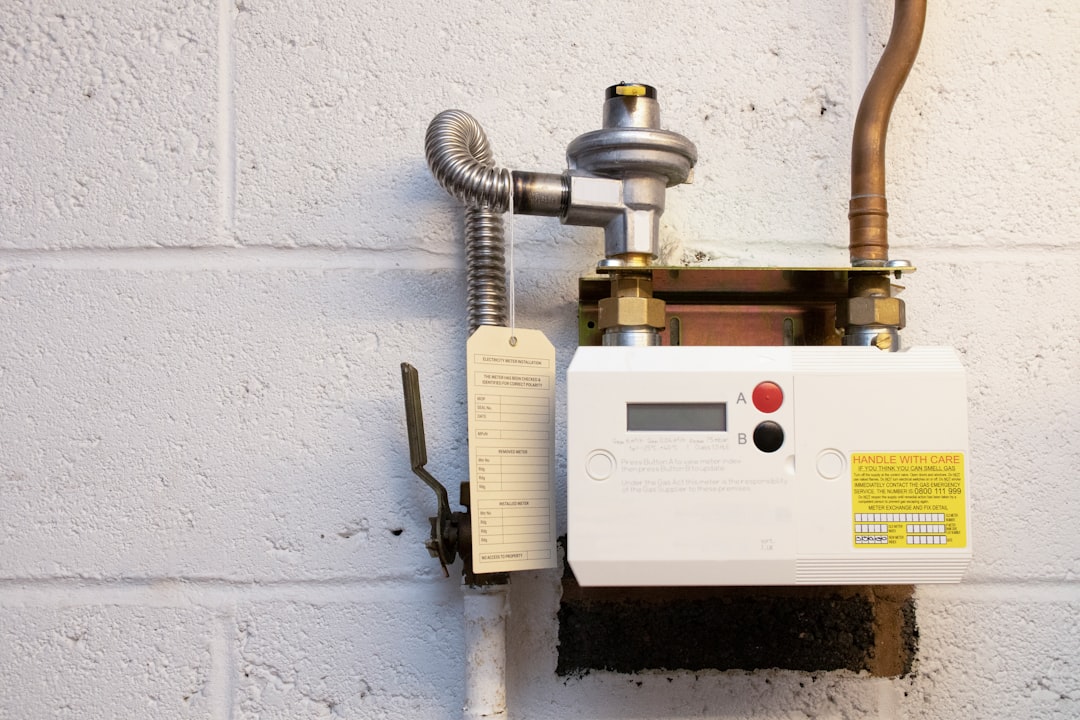
I'm worried about my family's safety. What are the essential water heater safety tips every homeowner should know in Des Moines?
It is perfectly natural to feel a bit uneasy about a large metal tank in your basement or utility closet that combines high-pressure water with either high-voltage electricity or combustible natural gas. In our years serving neighbors in places like Ankeny and Waukee, we’ve seen that a little bit of knowledge goes a long way in calming those fears.
The most important thing to understand is that your water heater is designed with several layers of "fail-safes." However, these systems only work if they are maintained. For instance, Water Heater Temperature Fluctuations Causes can sometimes point to a thermostat that is struggling, which isn't just an inconvenience — it can be a sign that the unit is working harder than it should, increasing internal pressure.
One of the best ways to ensure safety is to understand the specific risks associated with your type of unit. Whether you are in a historic home in Des Moines or a new build in Grimes, your safety needs might differ slightly based on your equipment.
Comparing Tank vs. Tankless Safety Features
| Feature | Traditional Tank Water Heater | Tankless Water Heater |
|---|---|---|
| Explosion Risk | Low (if TPR valve is functional) | Extremely Low (no stored pressure) |
| Flood Risk | High (40-80 gallons can leak) | Low (no storage tank) |
| Scald Risk | Moderate (requires thermostat check) | Low (precise digital control) |
| Gas/CO Risk | Present (if gas-powered) | Present (if gas-powered) |
| Maintenance | Annual flush & anode rod check | Descaling every 6-12 months |
Temperature settings: water heater safety tips every homeowner should know for scalding prevention
One of the most common injuries related to home appliances is scalding. It only takes two seconds of exposure to 150°F water to cause a third-degree burn. This is why the U.S. Department of Energy and most manufacturers recommend setting your thermostat to 120°F (49°C).
At this temperature, you are balancing two different safety needs. First, you are preventing immediate burns, which is vital if you have small children or elderly family members in your home whose skin may be thinner. Second, you are keeping the water hot enough to prevent the growth of Legionella bacteria, which can thrive in lukewarm water. OSHA sometimes recommends 140°F for commercial settings to kill all bacteria, but for residential use in Iowa, 120°F is the gold standard for safety and energy efficiency.
If you find that your water is still coming out at wildly different temperatures, you might need a professional Water Heater Repair Carlisle IA to check your dip tube or thermostat. For added safety, we often recommend installing anti-scald devices on showerheads and faucets, which act as a final barrier to prevent burns.
Clearance and ventilation: water heater safety tips every homeowner should know to prevent fires
Your water heater needs room to breathe. This is especially true for gas-powered models that require a constant supply of oxygen for combustion. We recommend a three-foot clearance around the unit. This means no storing old newspapers, paint cans, gasoline, or cleaning chemicals near the heater. These items are not just a fire hazard; they can also block the airflow needed for the unit to vent properly.
In many Des Moines area garages, you’ll notice that gas water heaters are raised on a stand. This isn't just for aesthetics. This 18-inch elevation is a critical safety requirement. Gasoline vapors and other flammable fumes are heavier than air and tend to settle near the floor. Raising the pilot light 18 inches off the ground prevents these floor-level vapors from igniting and causing a fire or explosion.
If you are planning a new Water Heater Installation Runnells IA, ensuring proper venting and clearance from the start is the best way to keep your home safe for years to come.
How can I prevent a tank explosion? Proactive maintenance for Iowa homes
The idea of a water heater exploding sounds like something out of a Hollywood movie, but it is a real physical possibility if the pressure inside the tank isn't managed. This is where the Temperature and Pressure Relief (TPR) valve comes in. Think of it as your water heater's "emergency exit." If the temperature or pressure gets too high, this valve opens to let water and steam escape.
However, if this valve is stuck or corroded, the pressure has nowhere to go. That’s why we tell our clients in Altoona and Johnston to test this valve at least once a year. You simply lift the lever and make sure water flows out of the discharge pipe. If nothing happens, or if it doesn't stop dripping after you close it, it’s time for a replacement.
Another silent threat to your tank's integrity is sediment. Over time, minerals in our Iowa water settle at the bottom of the tank. This layer of "gunk" acts as an insulator, causing the burner to run longer and hotter to heat the water. This can lead to the metal tank overheating and weakening. Learning the Signs of Sediment Buildup in Water Heater — like popping or rumbling noises — is key. Annual flushing can remove this sediment and keep your tank strong.
Don't forget the sacrificial anode rod. This is a magnesium or aluminum rod that hangs inside your tank. Its only job is to corrode so that your tank doesn't have to. It "sacrifices" itself to the minerals in the water. Once that rod is gone, the water starts eating your tank instead. Checking this rod every 2-3 years can literally double the life of your heater. If you’ve switched to a Tankless Water Heater Ankeny IA, you won't have an anode rod, but you will still need to descale the unit to prevent mineral buildup in the heat exchanger.
Is that a gas smell? Managing carbon monoxide and leak risks in Des Moines
For our neighbors with gas water heaters, there are two "invisible" threats to watch out for: natural gas leaks and carbon monoxide (CO).
Natural gas itself is odorless, but utility companies add a chemical called mercaptan that gives it a "rotten egg" smell. If you smell this in your utility room, do not turn on any lights or use your phone. Evacuate the house immediately and call the gas company from a safe distance.
Carbon monoxide is even more dangerous because it is truly odorless, colorless, and tasteless. It is a byproduct of incomplete combustion. If your water heater's flue is blocked by a bird's nest or has become disconnected, these fumes can backdraft into your home.
Essential Safety Steps for Gas Heaters:
- Install CO Detectors: Have at least one on every level of your home, especially near sleeping areas and the utility room.
- Check the Flue: Look for signs of "sooting" (black residue) or rust on the vent pipe. This can indicate improper venting.
- Inspect the Draft Hood: Ensure the vent is securely connected to the top of the heater.
If you aren't sure if your system is venting correctly, a quick Affordable Water Heater Repair Guide Des Moines IA can help you identify when it’s time to call in the pros for a safety inspection.
My water heater is acting up. How do I recognize warning signs and handle emergencies?
Knowing when to panic (and when not to) is a valuable skill for any homeowner in Polk City or Norwalk. Your water heater will usually try to tell you it's failing before it creates a true emergency.
One major red flag is rusty water. If your hot water looks like tea but the cold water is clear, your tank is likely rusting from the inside out. There is no "fix" for a rusting tank; it needs to be replaced before it lets go and floods your basement. You should also listen for rumbling or popping noises. This is often the sound of steam bubbles forcing their way through a thick layer of sediment at the bottom of the tank.
If you find yourself facing a Warning Signs of a Failing Water Heater, you need to know how to shut it down safely.
Emergency Shut-Off Procedure:
- Turn off the Power/Gas: For electric heaters, flip the breaker. For gas heaters, turn the dial on the gas valve to "OFF."
- Shut off the Water: Turn the cold water supply valve (usually located on the right-hand pipe entering the top of the heater) clockwise until it stops.
- Drain the Tank (if leaking): Attach a garden hose to the drain valve at the bottom and run it to a floor drain or outside. Open a hot water faucet elsewhere in the house to let air in so the tank can drain.
For those situations where the tank has already failed, an Emergency Water Heater Installation Des Moines Guide can walk you through the next steps to get your home back to normal quickly and safely.
Frequently Asked Questions about Water Heater Safety
How often should I test my Temperature and Pressure Relief (TPR) valve?
We recommend testing your TPR valve at least once a year. Some manufacturers even suggest every six months. It is a simple check: lift the lever briefly to ensure water flows out of the discharge pipe and then snaps back into place to seal. If it leaks after testing or doesn't open at all, it must be replaced immediately by a professional.
What is the safest temperature to prevent both burns and bacteria growth?
The "sweet spot" is 120°F (49°C). This temperature is low enough to prevent most accidental scalding in seconds, yet high enough to significantly slow the growth of harmful bacteria like Legionella. If you have a large family and find 120°F isn't providing enough hot water, consider a larger tank or a tankless unit rather than cranking up the heat to dangerous levels.
Why is professional installation required for gas water heaters in Des Moines?
Gas water heaters involve three different systems: plumbing, gas lines, and exhaust venting. An error in any of these can be fatal. Licensed professionals ensure the gas lines are leak-free, the venting meets local Iowa codes to prevent CO poisoning, and the unit is properly earthquake-strapped (if required) and elevated. Furthermore, DIY installation often voids the manufacturer's warranty.
Conclusion
Taking care of your water heater isn't just about ensuring you have a nice warm shower in the morning; it’s about protecting the people you love and the home you’ve worked so hard for. By following these water heater safety tips every homeowner should know, you can catch small issues before they become expensive, dangerous emergencies.
At Midwest Comfort, we are proud to be a family-owned business serving our neighbors throughout the Des Moines metro area, from Adel to Altoona. We believe in an honest, family-oriented approach to HVAC and water heater service. Whether you need a routine safety inspection, a quick repair, or a brand-new installation, our team is here to provide tailored solutions that fit your home and your budget.
Don't wait for a leak or a strange noise to take action. Proactive safety is the best way to keep your home comfortable and secure.
Schedule your professional water heater safety inspection with Midwest Comfort today
