


Servicing Your Heat Pump: What to Expect and Why It Matters


Discover the Essential Benefits of Regular Air Conditioning Maintenance
Regular maintenance of your air conditioning system ensures optimal performance and longevity. It helps prevent costly repairs while improving energy efficiency, keeping your home comfortable year-round.

Routine checks can significantly reduce energy bills and extend the life of your unit.


Why Heat Pump Services Are Essential for Your Home's Comfort
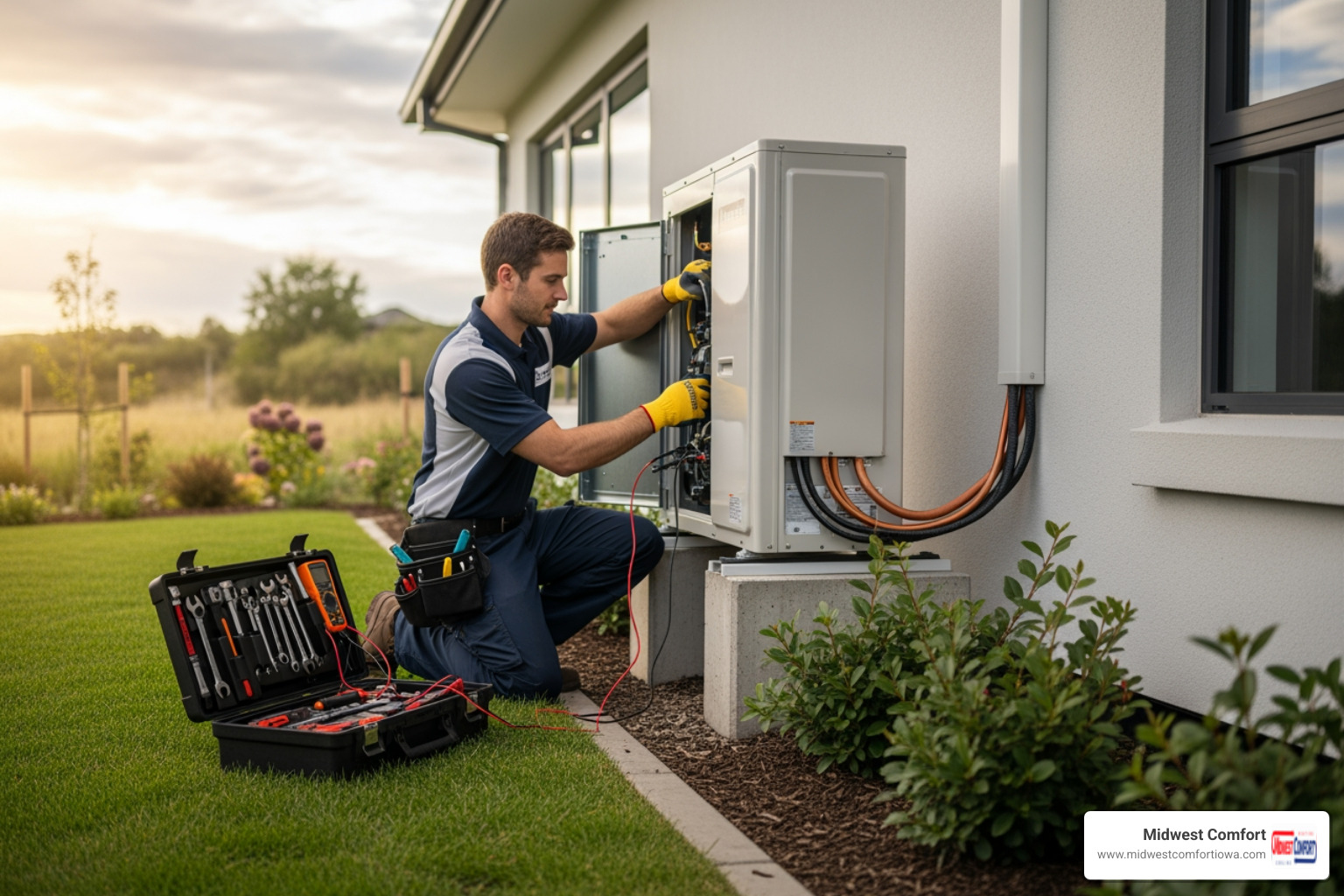
Heat pump services include installation, repair, and maintenance for heating and cooling systems that efficiently move heat in and out of your home year-round. For Des Moines homeowners, here's what these services involve:
What Heat Pump Services Include:
- Installation – Professional sizing, placement, and setup of new systems
- Maintenance – Annual or bi-annual tune-ups including coil cleaning, refrigerant checks, and electrical inspections
- Repair – Fixing issues like unusual noises, ice buildup, or inconsistent temperatures
- Replacement – Upgrading older, inefficient systems to modern, energy-saving models
Your home's comfort depends on a heat pump that works reliably through Iowa's cold winters and humid summers. These dual-function systems both heat and cool your home by moving heat rather than generating it, making them far more energy-efficient than traditional furnaces or air conditioners. But like any mechanical system, heat pumps need regular attention. Without proper maintenance, they can lose 10-25% of their efficiency, leading to higher utility bills and unexpected breakdowns when you need them most. For Des Moines families, understanding heat pump services is essential to protect your investment, avoid costly surprises, and maintain year-round comfort.
Whether you're considering a new heat pump installation or need professional service for your existing system, knowing what to expect helps you make confident decisions for your home.
Explore more about heat pump services:
- dual mode heat pump altoona
- energy efficient heat pump windsor heights
- residential heat pump altoona
The Core Benefits of Regular Heat Pump Maintenance
Maintaining your heat pump isn't just about avoiding problems; it's about maximizing your home's comfort and minimizing your energy expenses. Regular heat pump services offer a multitude of benefits, ensuring your system runs smoothly and efficiently for years to come.
Why Maintenance Boosts Efficiency and Lifespan
Think of your heat pump like a car – it needs regular tune-ups to perform its best. A well-maintained unit is incredibly cost-effective, delivering up to three times more heat energy than the electricity it uses. Neglecting maintenance can increase energy consumption by 10% to 25%, leading to higher utility bills for your Des Moines home.
Beyond saving money, routine maintenance significantly extends your unit's lifespan to 10-15 years with proper care. This proactive approach reduces wear and tear, preventing minor issues from becoming costly repairs. It also ensures consistent home comfort, so your system reliably keeps your home pleasant year-round. Regular maintenance is key to open uping your heat pump's full potential and longevity.
For more on the advantages of a well-maintained system, consider the Benefits of Heat Pump Installation.
How Often to Service Your Heat Pump
For optimal performance and longevity, we recommend professional heat pump services at least once a year. Ideally, schedule two maintenance visits annually—one in spring and one in fall.
- Spring Check-up: This prepares your system for the cooling season, ensuring it's ready for rising temperatures in Des Moines, Ankeny, and surrounding communities and can provide efficient air conditioning.
- Fall Check-up: This prepares your system for the heating season, ensuring it can combat Iowa's chilly winters. We'll make sure your heat pump provides reliable warmth and prevents unexpected breakdowns.
While annual service is a minimum, homes with heavy usage, pets, or those in dusty environments might benefit from more frequent checks. Our climate in Des Moines, with its distinct seasonal changes, makes these routine checks even more crucial for maintaining efficiency and comfort. If you're in Urbandale, you can learn more about Heat Pump Maintenance Urbandale, IA.
DIY Maintenance Tasks for Homeowners
While professional heat pump services are indispensable, there are several basic maintenance tasks you, as a homeowner, can perform to help keep your system running efficiently between professional visits. These simple steps can make a big difference in your system's performance and air quality.
Here's a checklist of what you can do:
- Change or Clean Air Filters: Check your air filter monthly, and change or clean it every 3 months as recommended. A dirty filter restricts airflow, reduces efficiency, and forces your system to work harder. Higher MERV-rated filters can also improve indoor air quality.
- Clean the Outdoor Unit: Keep the outdoor unit free of debris, leaves, grass clippings, and other obstructions. Clear away any vegetation, dust, pollen, or clutter from around the unit. Ensure the power to the fan is off before cleaning the outdoor coils.
- Check for Debris: Routinely inspect both the indoor and outdoor units for any blockages. Ensure proper airflow is maintained around the outdoor unit.
- Ensure Clear Airflow: In homes with a single central return, ensure air can circulate back to the hallway from rooms with closed doors. Solutions include undercutting doors or installing jumper ducts.
- Clean Supply and Return Registers: Inside your home, regularly clean the supply and return registers. Straighten any bent fins to ensure proper air distribution.
These simple, regular checks, combined with professional tune-ups, will help your heat pump operate at its peak. You can find more tips on Operating and Maintaining Your Heat Pump.
Understanding Professional Heat Pump Services
While you can handle some basic upkeep, professional heat pump services are crucial for the complex aspects of your system. Our certified technicians bring years of experience and specialized tools to ensure your heat pump operates safely and efficiently.
What's Included in a Professional Tune-Up
When our team performs a professional tune-up for your heat pump, we follow a comprehensive checklist to ensure every component is working as it should. This preventative service is often referred to as a "clean and check" appointment and is designed to catch potential issues before they become major problems.
Here’s what our professional heat pump services typically include:
- Inspecting All Components: We'll visually inspect the entire system, including the indoor and outdoor units, wiring, and connections, for any signs of wear, damage, or corrosion.
- Cleaning Coils: Both indoor and outdoor coils accumulate dirt, which impacts efficiency. We'll thoroughly clean these coils to ensure optimal heat transfer.
- Checking Refrigerant Levels: The correct amount of refrigerant is critical for efficiency. We check the charge and for leaks, as low refrigerant can impact performance and damage the compressor.
- Testing Electrical Connections: We'll inspect and tighten all electrical connections, ensuring safe and reliable operation. This prevents potential hazards and system malfunctions.
- Lubricating Motors: Moving parts, like fan motors, require proper lubrication to reduce friction and prevent premature wear.
- Calibrating Thermostat: We'll check your thermostat's accuracy and calibrate it if necessary, ensuring your heat pump responds correctly to your desired temperature settings.
- Checking Defrost Cycle: For cold climates like ours, the defrost cycle is vital. We'll test it to ensure it's functioning correctly, preventing ice buildup on the outdoor unit during winter.
- Inspecting Auxiliary Heat System: If your heat pump has a supplemental heating source (like electric strips or a furnace), we'll inspect it to ensure it's ready to kick in when needed.
This detailed attention ensures your heat pump is primed for peak performance, year-round. For more information on what to expect, read about Heat Pump Service & Maintenance Tips.
Common Problems and Signs You Need Repair
Even with regular maintenance, heat pumps can sometimes encounter issues. Recognizing the signs of trouble early can prevent more extensive damage and keep your Des Moines home comfortable. Here are some common problems and indicators that you need professional heat pump services for repair:
- Unusual Noises: Rattling, hissing, grinding, or screeching sounds often indicate a mechanical problem, such as a failing motor bearing, a loose fan blade, or a refrigerant leak.
- Increased Energy Bills: If your energy bills are unexpectedly rising, it could mean your heat pump is losing efficiency due to dirty coils, low refrigerant, or other issues.
- Inconsistent Temperatures: Hot and cold spots in your home, or the system struggling to reach the set temperature, suggest a problem with airflow, compressor, or refrigerant.
- System Short-Cycling: If your heat pump turns on and off frequently without completing a full cycle, it could be a sign of an oversized unit, a clogged filter, or a refrigerant issue. This stresses the system and reduces its lifespan.
- Ice Buildup on Coils: A frozen outdoor unit in winter can be caused by a malfunctioning defrost cycle, a non-working outdoor fan, low refrigerant, or a physical blockage. In summer, ice on the indoor coil or copper line could point to low refrigerant, a clogged filter, or dirty coils.
- Blowing Cold Air in Heat Mode: If your heat pump is set to heat but is blowing cold air, it could be due to incorrect thermostat settings, low refrigerant, a reversing valve issue, or a dirty coil.
- System Not Turning On: This could be a simple electrical issue, a tripped breaker, or a more serious compressor or motor failure.
If you notice any of these signs, don't hesitate to contact us. Prompt repair can save you discomfort and expense. If you're in Urbandale and need assistance, check out Heat Pump Repair Urbandale, IA.
Deciding Between Repair and Replacement
When your heat pump starts acting up, the big question often becomes: should I repair it or replace it? This decision depends on several factors, and our team can help you weigh your options.
- System Age: The average lifespan of a heat pump is 10 to 15 years. If your unit is approaching or has exceeded this age, a replacement might be a more cost-effective long-term solution, especially if repairs are becoming frequent.
- Frequency of Repairs: If you're calling for repairs multiple times a year, the cumulative cost can add up. As your heat pump ages, it will likely encounter more problems.
- Declining Efficiency: An aging heat pump loses efficiency, leading to higher energy bills. Even after a repair, an older unit might not perform as well as a new one.
- Outdated Technology: Modern heat pumps offer significant advancements in energy efficiency, quiet operation, and smart features. Replacing an older unit with a new ENERGY STAR certified model can lead to substantial savings and improved comfort.
- Improper Sizing: If your current heat pump was never correctly sized for your home, it might struggle to maintain comfort and experience premature wear. A replacement offers the opportunity to get a properly sized system that performs optimally.
In most cases, your HVAC equipment shows signs of underperforming well before you reach the point of needing an emergency replacement. We can assess your unit's condition, discuss its history, and help you make an informed decision that's best for your home and budget.
A Deep Dive into Heat Pump Technology
Heat pumps are marvels of modern HVAC engineering, offering an incredibly efficient way to heat and cool your home. They don't generate heat; they simply move it from one place to another. This fundamental principle allows them to provide year-round comfort.
Ducted vs. Ductless Systems
When considering heat pump technology, one of the first distinctions you'll encounter is between ducted and ductless systems. The choice depends largely on your home's existing infrastructure and your comfort needs.
- Ducted Systems: These are the most common type and integrate with your home's existing ductwork, much like a traditional furnace and central air conditioner. They distribute conditioned air throughout your home via vents and registers. If your home in Des Moines, Johnston, or Adel already has ductwork in good condition, a ducted heat pump is often a straightforward replacement or upgrade. However, proper return pathways are essential for efficient operation. In homes with a single central return, we might consider solutions like undercutting doors, installing transfer ducts, or retrofitting jumper ducts to ensure air can circulate freely, especially when bedroom doors are closed.
- Ductless Systems (Mini-Splits): Also known as mini-split systems, these are an excellent solution for homes without existing ductwork, additions, or for creating zoned heating and cooling. They consist of an outdoor compressor/condenser and one or more indoor air-handling units, connected by a small conduit. Each indoor unit can control the temperature in a specific zone, offering incredible flexibility and energy savings by only conditioning the rooms you're using. We often recommend ductless mini-splits for older homes in Polk City, Granger, or Carlisle that were built without central air, or for new additions where extending ductwork would be impractical.
Both types offer significant energy efficiency, but the best choice depends on your specific home and lifestyle.
Air-Source, Geothermal, and Dual-Fuel Options
The versatility of heat pump technology means there are different types to suit various needs and climates.
- Air-Source Heat Pumps: These are the most common and cost-effective type. They work by transferring heat between your home and the outside air. In heating mode, they extract heat from the outside air (even in cold temperatures) and transfer it indoors. In cooling mode, they reverse the process, moving heat from inside your home to the outside. Advances in technology have significantly improved the efficiency of air-source heat pumps, even in colder climates.
- Geothermal Heat Pumps: These systems exchange heat with the earth rather than the air. They use a loop of underground pipes to tap into the stable temperatures of the ground or a nearby water source. While more expensive to install due to the excavation required for the ground loop, geothermal heat pumps offer the highest efficiency and lowest operating costs over their lifespan. They are an excellent long-term investment for homeowners in Waukee, Dallas Center, or Runnells looking for maximum efficiency and environmental benefits.
- Dual-Fuel Systems: For homeowners in areas with very cold winters, a dual-fuel system offers the best of both worlds. This setup combines a heat pump with a traditional furnace (often gas or propane). The heat pump handles most of the heating and all of the cooling, operating most efficiently in moderate temperatures. When the outdoor temperature drops below a certain point (e.g., 25°F), the system automatically switches to the more powerful furnace to provide supplemental or primary heat. This ensures comfort even during the coldest Iowa winter days while still maximizing energy savings from the heat pump for the majority of the year.
The right type of heat pump for your home in Des Moines or surrounding areas depends on factors like your budget, climate, and energy goals. For more in-depth information, explore Heat Pumps.
Understanding Efficiency Ratings: SEER & HSPF
When you're looking at new heat pumps, you'll inevitably come across acronyms like SEER and HSPF. These ratings are crucial indicators of a unit's energy efficiency and will directly impact your utility bills.
- SEER (Seasonal Energy Efficiency Ratio): This rating measures a heat pump's cooling efficiency. A higher SEER number indicates a more efficient cooling system, meaning it uses less energy to remove heat from your home during the warmer months. For our Iowa summers in Altoona, Windsor Heights, or Granger, a good SEER rating is important for keeping cooling costs down. As of January 2023, updated efficiency ratings called SEER2 have been introduced.
- HSPF (Heating Seasonal Performance Factor): This rating measures a heat pump's heating efficiency. A higher HSPF number indicates a more efficient heating system, meaning it uses less energy to bring warmth into your home during the colder months. Given our cold winters in the Des Moines metro area, a strong HSPF rating is particularly vital for maximizing heating savings. Similarly, HSPF2 is the updated rating for heating efficiency.
Both SEER and HSPF are important, but their relative importance might depend on your specific climate. In a climate like ours, with both hot summers and cold winters, you'll want a heat pump with strong ratings in both categories. ENERGY STAR certified heat pumps meet strict efficiency guidelines, ensuring you're investing in a high-performing system. These ratings are essential because they allow you to compare different models and make an informed decision that balances upfront cost with long-term energy savings. You can find more details in a Heat Pump Buying Guide.
Navigating Heat Pump Installation and Upgrades
Choosing and installing a new heat pump is a significant investment in your home's comfort and efficiency. It's a process that requires careful consideration of various factors, from the system itself to the professionals who install it.
Key Factors When Choosing a New Heat Pump
Selecting the right heat pump involves more than just picking a brand. Our team considers several critical factors to ensure your new system is perfectly matched to your Des Moines home and lifestyle:
- Proper Sizing (Manual J): This is arguably the most important step. An undersized heat pump will struggle to keep your home comfortable, while an oversized one will cycle on and off too frequently (short-cycling), wasting energy and increasing wear and tear. We perform a detailed load calculation using industry-recognized methods like ACCA Manual J to determine the precise heating and cooling capacity your home requires. This calculation considers factors like your home's size, insulation, windows, and local climate data.
- Cold Climate Heat Pumps: Standard air-source heat pumps can struggle as temperatures drop below freezing. However, 'cold climate' heat pumps are specifically designed to operate effectively at much lower temperatures, often down to 5°F and even providing some heat below -20°F. For our Iowa winters, considering a cold climate heat pump or a dual-fuel system (which combines a heat pump with a furnace backup) is often a smart choice to ensure consistent comfort.
- Variable-Speed Compressors: Heat pumps with variable-speed compressors are a game-changer for comfort and efficiency. Unlike single-speed compressors that are either fully on or fully off, variable-speed units can adjust their output to precisely match your home's heating or cooling needs. This leads to more consistent temperatures, better humidity control, quieter operation, and greater energy savings.
- Noise Levels (Decibels): Heat pumps, especially the outdoor unit, produce some noise. If your outdoor unit will be near a bedroom window or outdoor living area, you might want to consider models with lower decibel (dB) ratings. Manufacturers typically publish these specifications, allowing us to help you choose a quieter option if noise is a concern.
By carefully evaluating these factors, we ensure your new heat pump provides optimal comfort and efficiency for years to come. Learn more about choosing an Energy Efficient Heat Pump Windsor Heights.
The Installation Process and Hiring a Qualified Contractor
Proper installation is paramount to a heat pump's performance and lifespan. Even the most efficient unit can underperform if not installed correctly; improper installation can reduce system efficiency by up to 30 percent. That's why choosing a qualified contractor for your heat pump services is so important.
Here's what a professional installation process entails:
- Site Assessment: Our technicians will visit your home to assess the best location for both the indoor and outdoor units, considering factors like airflow, noise, and accessibility for maintenance.
- Ductwork Inspection: For ducted systems, we'll inspect your existing ductwork for leaks, blockages, or inefficiencies and recommend any necessary repairs or modifications to ensure optimal air distribution.
- System Placement and Connection: We'll carefully install the indoor and outdoor units, connect the refrigerant lines, electrical wiring, and condensate drain lines according to manufacturer specifications and local codes.
- Charging and Testing: The system will be precisely charged with refrigerant, and then thoroughly tested to ensure proper operation, correct airflow, and accurate temperature control.
- Post-Installation Checks and Walkthrough: We'll walk you through your new system, explaining its features, how to operate the thermostat, and essential maintenance tips.
When hiring an HVAC contractor for heat pump services, especially installation, look for:
- NATE Certification: This indicates that technicians have passed rigorous industry-recognized exams, demonstrating their knowledge and expertise.
- Licensing and Insurance: Ensure the contractor is properly licensed and insured to protect yourself and your property.
- Experience: Choose a company with a proven track record in heat pump installation and service in the Des Moines area, including communities like Polk City, Altoona, and Ankeny.
- Customer Reviews: Check online reviews and testimonials to gauge customer satisfaction.
We pride ourselves on providing honest, high-quality, and cost-effective HVAC services, ensuring your heat pump installation is done right the first time. For more specific details, visit Heat Pump Installation Des Moines, IA.
Financial Incentives for Upgrading
Upgrading to a new, energy-efficient heat pump can be a smart financial move, and various incentives are available to help make it even more affordable for homeowners in the Des Moines metro area.
- Federal Tax Credits: The Inflation Reduction Act of 2022 offers significant incentives. ENERGY STAR certified heat pumps qualify for a federal tax credit of 30% of the cost, up to $2,000, now through December 31, 2025. This is a direct credit that reduces your federal tax liability.
- Utility Rebates: Many local utility companies in Iowa offer rebates for installing high-efficiency heat pumps. These programs vary, so we can help you identify what's available in your specific area, whether you're in Granger, Waukee, or Dallas Center.
- State and Local Programs: Beyond federal and utility incentives, some state or local programs may offer additional financial assistance for energy-efficient home upgrades.
- Assistance Programs: For low-to-moderate income families, programs like the Department of Energy's Weatherization Assistance Program (WAP) and the Low Income Energy Assistance Program (LIHEAP) can provide help with home energy assessments and upgrades, including heat pump installations. For example, a 4-person household with an annual income of $39,750 would qualify for LIHEAP.
These incentives can significantly reduce the upfront cost of a new heat pump, making it a more accessible and attractive option for improving your home's comfort and energy efficiency. We can help you steer these options to ensure you take advantage of every available saving. For more details on available incentives, refer to Clean Heating and Cooling and this helpful video on Save with Tax Credits for Energy Efficiency.
Conclusion
At Midwest Comfort, we understand that your home in Des Moines, Polk City, or any of our service areas is more than just a structure—it's your sanctuary. Ensuring its comfort, efficiency, and safety is our top priority. Throughout this guide, we've explored the comprehensive world of heat pump services, from the critical benefits of regular maintenance and understanding common issues to delving into advanced heat pump technology and navigating the installation process.
We've seen how routine maintenance can extend your system's lifespan by years, prevent costly breakdowns, and maintain optimal energy efficiency, potentially saving you 10-25% on energy consumption. We've also highlighted the importance of professional tune-ups, which include thorough inspections, cleaning, and testing of vital components, alongside the simple DIY tasks homeowners can perform.
From understanding the nuances of ducted versus ductless systems, and the advantages of air-source, geothermal, and dual-fuel options, to deciphering efficiency ratings like SEER and HSPF, we aim to empower you with the knowledge to make informed decisions. When it comes to installation or upgrades, we emphasize the importance of proper sizing, considering climate-specific features like cold climate heat pumps, and leveraging financial incentives such as federal tax credits and local rebates.
Investing in quality heat pump services is an investment in your home's long-term comfort, efficiency, and value. Our family-oriented approach means we're committed to providing honest, high-quality, and cost-effective HVAC solutions custom to your specific needs.
Don't wait for a breakdown to realize the importance of your heat pump. Take proactive steps to ensure its optimal performance year-round.
Contact us for expert heat pump services in Des Moines, IA and let us help you achieve unparalleled comfort and peace of mind.


Get Your HVAC Serviced Today


