Is Your Furnace Shutting Down During Its First Fall Test Run?
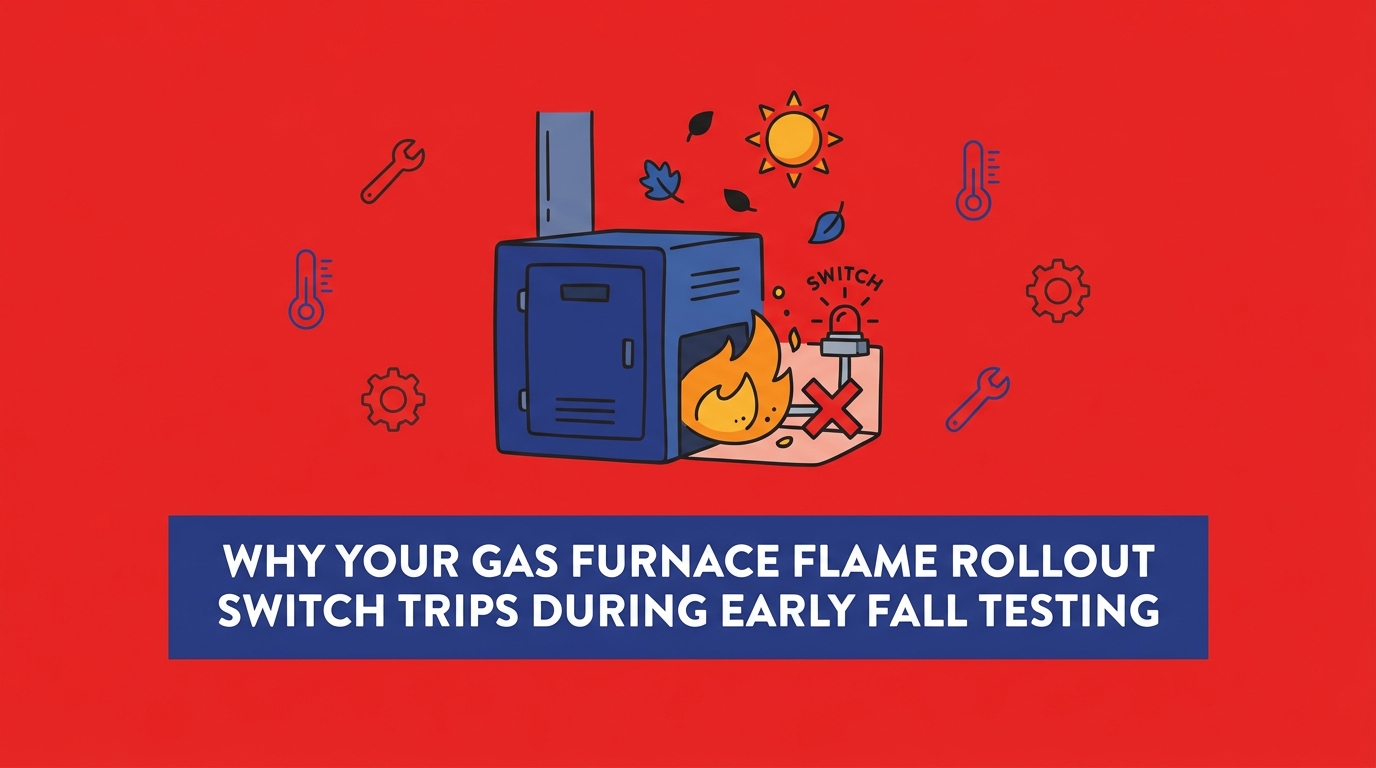
Are you wondering why your gas furnace flame rollout switch trips during early fall testing, leaving your home chilly just when you need it most? You are not alone. When Des Moines' sharp temperature drops arrive in late September, our team at Midwest Comfort Heating & Cooling sees many homeowners rush to perform a pre-season check on their heating equipment. Turning up the thermostat after months of inactivity often reveals hidden issues that developed over the summer. Instead of a steady flow of warm air, the system fires up briefly, shuts down abruptly, and refuses to turn back on.
This sudden shutdown is usually triggered by a critical component called the flame rollout switch. While it is incredibly frustrating to have your heating system fail its very first September pre-heating-season test, this specific lockout is actually a sign that your equipment is doing exactly what it was designed to do: protect your home. A tripped rollout switch is never a nuisance glitch; it is a life-saving intervention that halts operation when severe danger is detected inside the combustion chamber.
When you encounter this specific failure, you face an urgent decision point. You must not attempt to bypass the switch or force the system to run. Instead, the safest course of action is to leave the unit off, shut off the gas supply valve if you know how to do so safely, and seek professional HVAC services. Because this safety fault indicates a severe risk of fire or carbon monoxide exposure, licensed intervention is the only way to restore your home's heating safely.
Understanding the Flame Rollout Switch: Your Furnace's First Line of Defense
To understand why your system locked you out, it helps to know exactly what this component is and how it functions. The flame rollout switch is a small but vital safety sensor located just outside the furnace's burner box or combustion chamber. In a healthy, properly functioning gas furnace, the flames from the burners are drawn forcefully backward and upward into the heat exchanger, safely away from the front access panel.
However, when air pressure inside the system is disrupted, those flames can reverse direction. This dangerous phenomenon is known as "flame rollout." Instead of traveling safely into the heat exchanger, the flames roll backward, spilling out of the combustion area and licking at the wiring, gas valves, and front panels of the unit.
How a Flame Rollout Event Unfolds:
- Normal Ignition: The thermostat calls for heat, the gas valve opens, and the burners ignite.
- Airflow Disruption: A blockage, crack, or draft issue prevents the flames from drafting correctly into the heat exchanger.
- Flame Reversal: Seeking oxygen, the flames spill backward out of the burner assembly.
- Sensor Activation: The flame rollout switch, detecting abnormal, intense heat outside the designated safe zone, instantly breaks the electrical circuit.
- Immediate Shutdown: The gas valve slams shut, extinguishing the flames before they can cause a fire or melt internal wiring.
When our technicians respond to these lockouts in Des Moines area homes, we find that the furnace will not run again until the switch is manually reset. But more importantly, it requires a complete diagnostic to find out why the flames reversed in the first place. Reframing this trip as a successful safety event rather than a breakdown is crucial. The switch just prevented a catastrophic fire hazard. To get your system back online safely, securing professional heating repair is your next necessary step.
Top Causes for a Tripped Rollout Switch After Summer Dormancy
Furnaces do not operate in a vacuum; they sit idle for months during the off-season. The specific reasons a rollout switch trips are heavily tied to issues that manifest during this long summer dormancy. When you run your September pre-heating-season test, you are often discovering the cumulative effects of pests, humidity, and inactivity that our crews see every day.
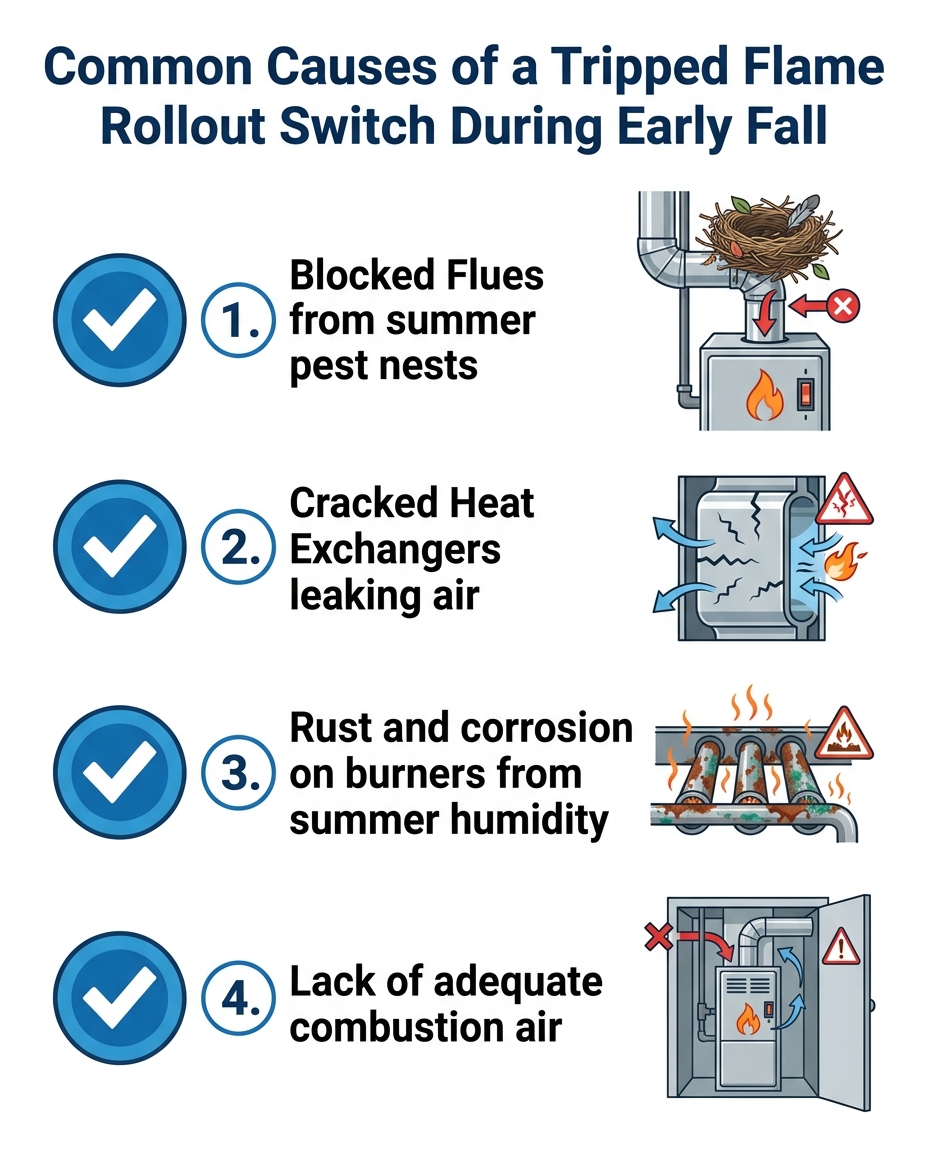
To help you understand what might be happening inside your unit, let's break down the most common culprits that trigger a safety lockout during early fall testing.
The Impact of Blocked Exhaust Flues
Your furnace requires a clear, unobstructed pathway to vent toxic combustion gases safely out of your home. During the summer, we frequently find that idle chimneys and PVC exhaust pipes become highly attractive real estate for local wildlife. Our technicians regularly pull bird, wasp, bee, and rodent nests out of these venting systems during early fall tune-ups.
When you fire up the furnace for the first time in autumn, those summer debris blockages prevent the combustion gases from escaping. Because the gases have nowhere to go, they create a severe backdraft. This trapped pressure forcefully pushes the burner flames backward toward the front of the unit, immediately triggering the rollout sensor.
Corrosion and Soot Buildup
In our years of servicing Iowa homes, we've seen firsthand how high summer humidity is notorious for accelerating rust on internal metal components while the system sits idle in a damp basement or utility closet. Moisture settles directly on the cast iron or steel burners over several months.
As rust and corrosion scale build up on the burner ports, they disrupt the smooth flow of gas. When the system finally ignites during your September pre-heating-season test, this corrosion alters the flame pattern, causing the fire to burn erratically and spill sideways or backward. Additionally, soot buildup from previous winters can restrict the flow of secondary combustion air. When flames lack adequate oxygen, they naturally reach outward to find it, causing a rollout event.
| Underlying Cause | How It Develops During Summer | How It Triggers the Switch |
|---|---|---|
| Blocked Flue / Vent | Birds, wasps, or rodents build nests in the idle exhaust piping. | Trapped gases create a backdraft, pushing flames out of the combustion chamber. |
| Burner Corrosion | High midwestern humidity causes rust to scale over burner ports. | Altered gas flow creates erratic, wandering flames that hit the safety sensor. |
| Lack of Combustion Air | Dust, pet hair, and lint settle heavily around intake areas. | Starved of oxygen, flames physically reach backward out of the unit to breathe. |
Before the deep cold sets in, it is vital to safely test your furnace before the first frost. Identifying these dormancy-related blockages early ensures you aren't left without heat on a freezing night.
The Severe Risks of Cracked Heat Exchangers
While blocked flues and dirty burners are common, the most dangerous cause of a tripped rollout switch is a compromised heat exchanger. This component is the absolute heart of your furnace. Its job is to safely separate the breathable air circulating through your home's ductwork from the highly toxic combustion gases created by burning fuel.
Over years of operation, the metal of the heat exchanger undergoes extreme stress. It expands as it heats up and contracts as it cools down thousands of times. Eventually, this constant thermal expansion leads to metal fatigue, causing microscopic cracks to form.
When the furnace blower motor kicks on to push warm air into your home, it forces pressurized air directly through those tiny cracks and into the combustion chamber. This sudden blast of air acts like wind blowing on a campfire—it violently disrupts the burner flames, blowing them backward out of the unit and tripping the rollout switch.
The extreme risk of carbon monoxide: If a rollout switch is bypassed while a heat exchanger is cracked, the consequences are deadly. The same cracks that allow blower air to push the flames backward will also allow toxic carbon monoxide to leak into your home's breathing air. This is why a tripped switch must be treated with the utmost seriousness in Des Moines area homes.
For example, one of our Des Moines customers reached out on a Wednesday in early November after their furnace stopped working entirely. Our technician diagnosed a critical heat exchanger failure, left to secure the exact manufacturer replacement part, and had the system safely up and running quickly before the deep freeze set in. Timely, professional intervention is the only way our team handles major internal faults without putting your household at risk.
Why You Must Never Attempt a DIY Reset on a Tripped Safety Switch
It is tempting to look at a tripped switch with a small reset button and assume you can just press it to get the heat back on. However, you must never attempt a DIY reset on a tripped flame rollout switch. This sensor does not trip due to a simple electrical glitch; it trips because literal fire was escaping the designated safe zone of your furnace.
Manually resetting the switch without fixing the root cause will result in immediate recurrence. The flames will roll out again. Worse, if the switch is repeatedly reset or mechanically bypassed, the sensor will eventually fail. Without that safety net, a subsequent rollout event will melt the gas valve wiring, potentially causing a catastrophic house fire or lethal carbon monoxide poisoning.
What Professional Combustion Analysis Entails:
- Draft Measurement: Technicians use specialized manometers to measure the exact draft pressure in the flue, ensuring gases are venting properly.
- Visual and Camera Inspection: High-definition inspection cameras are snaked into the heat exchanger cells to look for hairline cracks invisible to the naked eye.
- Gas Pressure Calibration: Professionals verify that the manifold gas pressure matches the manufacturer's precise specifications.
- Combustion Analysis: Specialized digital analyzers are used to measure oxygen, carbon monoxide, and flue temperatures to ensure clean, safe burning.
Local building and safety codes require licensed professionals to handle gas appliance repairs for exactly this reason. At Midwest Comfort Heating & Cooling, our team's commitment to strict safety standards and thorough professional diagnostics ensures that dangerous quick fixes are never part of the equation. We prioritize your family's safety above all else. The best way to prevent these lockouts entirely is to invest in routine furnace maintenance, which catches rust, nests, and hairline cracks long before you run your September pre-heating-season test.
Frequently Asked Questions About Furnace Safety Switches
Why does my furnace flame rollout switch keep tripping?
A flame rollout switch keeps tripping because flames are physically escaping the combustion chamber and hitting the safety sensor. This is usually caused by a blocked exhaust flue, a cracked heat exchanger, or a severe lack of combustion air. The switch will continue to trip until a licensed professional resolves the underlying airflow or pressure issue.
Is a tripped flame rollout switch dangerous?
The trip itself is a successful safety measure that just protected your home, but the underlying cause represents a severe fire and carbon monoxide hazard. When flames roll backward out of the furnace, they can melt critical gas valve wiring and release toxic gases into your basement or utility room. You must leave the system off and call an expert immediately.
What happens if a furnace heat exchanger is cracked?
If a furnace heat exchanger is cracked, the pressurized air from the blower motor pushes through the cracks and blows the burner flames backward, causing a rollout event. More critically, toxic combustion gases, including carbon monoxide, can leak through those same cracks directly into the home's breathing air. This is a life-threatening failure that requires immediate replacement of the component or the entire furnace.
Can I reset my furnace flame rollout switch?
No, you should never attempt to reset your furnace flame rollout switch yourself. Resetting the switch without properly diagnosing and fixing the root cause is extremely dangerous and can lead to a house fire. Local codes and safety standards require that this specific diagnostic work only be done by a licensed HVAC professional.
How do summer months affect my furnace flue?
During the long, idle summer months, our maintenance crews frequently discover that chimneys and PVC exhaust pipes have become safe havens for local wildlife. Birds, wasps, and rodents frequently build nests inside the flue, creating dense blockages that aren't discovered until the first fall test in Des Moines area homes. High summer humidity also contributes to rust and scale buildup on the burners.
What is the difference between a limit switch and a rollout switch?
A limit switch monitors the internal ambient temperature of the furnace to prevent the heat exchanger from generally overheating, usually due to a dirty air filter. A rollout switch, on the other hand, specifically detects actual flames escaping the burner area. While both are safety devices, a tripped rollout switch indicates a much more immediate and severe danger involving combustion gases.
Protect Your Home Before the First Freeze: Schedule Professional Diagnostics
If you are researching why your gas furnace flame rollout switch trips during early fall testing, the most important takeaway is that your furnace's safety systems are working correctly. The switch successfully protected your home from a severe fire hazard or carbon monoxide leak during your September pre-heating-season test. However, the root cause of that flame reversal is still present and requires immediate, expert attention.
Iowa winters are notoriously unforgiving, making early fall the absolute best time to safely resolve furnace lockouts. Waiting until the first freeze arrives means risking frozen pipes and severe discomfort while waiting for emergency repairs. Do not attempt to bypass safety mechanisms or ignore the warning signs. Reach out to our local experts at Midwest Comfort Heating & Cooling for a thorough, safety-first inspection to ensure your heating system is ready to carry you safely through the winter. Schedule your professional diagnostic service with our team today and secure your peace of mind before the cold weather truly sets in.
