
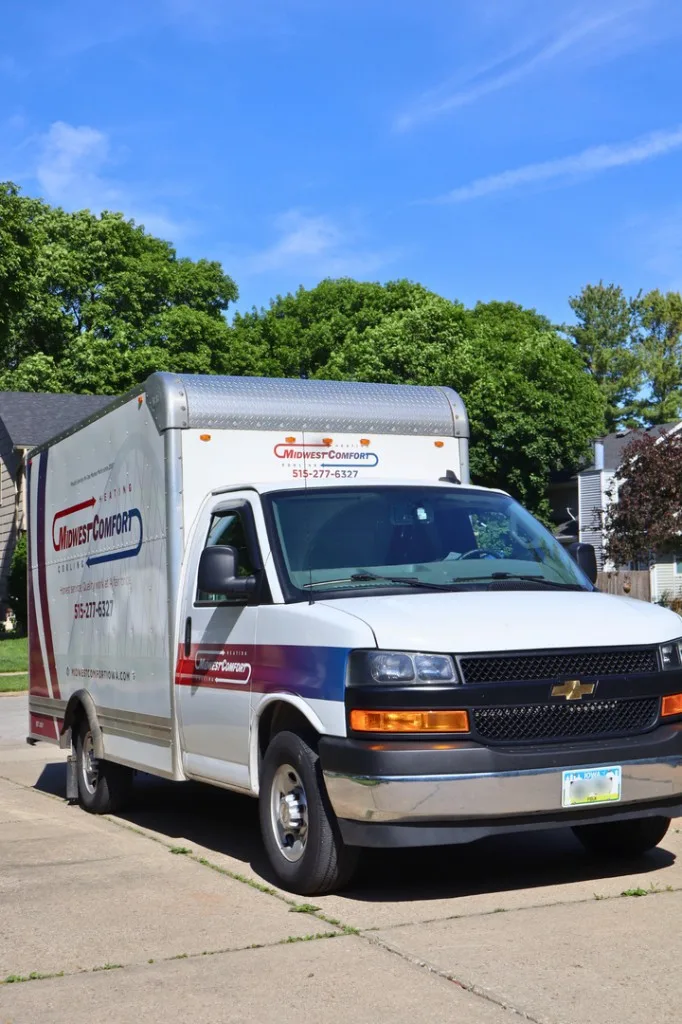
gas-line
Gas Line Installation & Replacement in Des Moines, IA
Experiencing gas line issues in Des Moines, IA? We provide expert installation and replacement services for safety and peace of mind.
Expert Gas Line Installation & Replacement in Des Moines, IA
Are you detecting a faint, unsettling rotten-egg odor in your Des Moines basement, or noticing that your furnace pilot light keeps flickering off in your older Beaverdale home? Is your new gas range in your Ankeny renovation not getting enough pressure, or are your outdoor gas features struggling to ignite after a harsh Des Moines winter? These aren't minor inconveniences; gas line issues, whether a subtle leak or an undersized connection, pose significant safety risks and can compromise the performance of essential home systems. When the safety and comfort of your home are on the line, Midwest Comfort Heating & Cooling is ready to address your gas line installation or replacement needs promptly and effectively.
Clear Signs You Need Gas Line Installation or Replacement
When something feels off with your gas appliances or you notice unusual smells, it's your home telling you something important. Recognizing these warning signs early can prevent more serious problems down the road. Pay close attention to these indicators that your Des Moines property might need professional gas line attention.
The Smell of Sulfur or Rotten Eggs
You're catching a distinct, unpleasant odor, often described as rotten eggs or sulfur, inside or near your home, particularly in areas like the basement, utility room, or near outdoor gas meters. Natural gas is odorless, but utility companies add mercaptan for safety, giving it that recognizable smell. This odor is a strong indicator of a gas leak, which can range from a minor issue to a severe hazard, demanding immediate attention to ensure the safety of your Des Moines home.
Hissing or Whistling Sounds Near Gas Lines
You hear an unusual hissing, whistling, or blowing sound coming from near your gas meter, gas appliances, or where gas lines enter your Des Moines property. These sounds often indicate a significant gas leak where gas is actively escaping under pressure from a crack, loose connection, or damaged pipe. An audible leak signifies a more substantial breach in the gas line, increasing the risk of rapid gas accumulation and requiring immediate professional intervention.
Dying or Discolored Vegetation
You observe patches of grass, shrubs, or other plants in your yard turning yellow, brown, or dying without any apparent reason, especially along the path where you know or suspect an underground gas line runs on your Des Moines property. Leaking natural gas displaces oxygen in the soil, suffocating plant roots, which is a tell-tale sign of an underground gas line leak. An underground leak, often caused by ground shifting from Des Moines' freeze-thaw cycles, can accumulate gas in confined spaces or migrate into your home's foundation, posing a serious safety concern.
Decreased Appliance Performance or Fluctuating Pilot Lights
Your gas stove flames are weak or inconsistent, your furnace or boiler pilot light keeps going out, or your gas water heater struggles to maintain temperature. Gas dryers might take longer to dry clothes, or outdoor grills won't ignite properly. This usually indicates insufficient gas pressure reaching the appliance, which can be due to a partial blockage, a leak further up the line, or an undersized gas line. This is especially common in older Des Moines homes with modern appliance upgrades that demand more gas. Beyond the inconvenience, low gas pressure can lead to inefficient appliance operation, increased energy bills, and even incomplete combustion, which can produce dangerous carbon monoxide.
Visible Damage or Corrosion on Gas Pipes
You see rust, dents, cracks, or other physical damage on exposed gas pipes in your basement, utility closet, or outside your Des Moines home. Exposed gas lines, particularly older galvanized steel or black iron pipes common in Des Moines' historic properties, can corrode over time due to moisture, age, or chemical exposure. Physical damage can occur from impacts or ground movement. Corrosion weakens the pipe walls, making them susceptible to leaks, and physical damage directly compromises the integrity of the line. Both situations are precursors to dangerous gas leaks and necessitate professional assessment for repair or replacement.
What's Actually Going On With Your Gas Lines?
Understanding the root cause of your gas line problem is the first step toward a lasting solution. From the age of your home to the unpredictable Iowa weather, several factors can contribute to issues with your gas supply. Our team has seen every version of these problems and can quickly diagnose what's happening.
Aging or Corroded Piping
Over decades, older gas lines made of materials like galvanized steel or black iron can naturally degrade. Moisture, soil conditions, and chemical interactions cause corrosion, weakening the pipes and leading to pinhole leaks or larger breaches. Des Moines has a significant number of homes built before the 1970s, especially in established neighborhoods, which often retain original gas lines well past their expected lifespan. Corrosion is a primary concern here, exacerbated by Iowa's humid summers and wet soil conditions. This often requires partial or full replacement of the corroded sections with modern, more durable materials like flexible corrugated stainless steel tubing (CSST) or new black iron pipe.
Ground Shifting Due to Weather Extremes
The ground beneath your Des Moines property is constantly expanding and contracting with temperature changes. Severe freeze-thaw cycles, common in Iowa, cause significant movement, putting immense stress on buried gas lines and connections. Des Moines experiences dramatic temperature swings from deep freezes in winter to hot summers, and this constant ground movement is a major contributor to stress fractures, joint separation, and damage to underground gas lines. The solution involves identifying and repairing or replacing damaged underground sections, often requiring excavation. For new installations, proper depth and flexible piping materials can mitigate future issues.
Improper Installation or Undersized Lines
Gas lines might have been installed incorrectly initially, using improper fittings, inadequate support, or materials not suitable for the application. Alternatively, existing lines may be too small to adequately supply the gas demands of modern, high-efficiency appliances. With many Des Moines homeowners upgrading appliances in older homes, the original gas lines are often insufficient. Also, DIY attempts or inexperienced installers can lead to code violations and safety hazards. A professional assessment of gas load requirements and existing line capacity is crucial, followed by upgrading or rerouting lines to meet current demand and safety codes.
Damage from Excavation or External Impact
Buried gas lines can be accidentally struck and damaged during landscaping projects, fence installations, or other outdoor digging activities. Even minor impacts to exposed lines in basements or garages can compromise their integrity. As Des Moines homeowners invest in property improvements and outdoor living spaces, the risk of accidental damage to unmarked or forgotten underground utility lines increases. Always remember to call 811 before you dig to prevent such incidents. This situation requires immediate professional repair or replacement of the damaged section, ensuring proper pressure testing and adherence to safety protocols.
What to Expect During the Service Visit
When you contact Midwest Comfort Heating & Cooling for gas line installation or replacement in Des Moines, you can expect a thorough, professional, and transparent service experience from start to finish. Our certified technicians, serving Des Moines and surrounding communities, will begin with a comprehensive assessment of your current gas line system, any affected appliances, and your specific needs. This involves using specialized tools to detect leaks, evaluate pipe integrity, and determine appropriate sizing for new installations or upgrades.
We'll clearly explain our findings, discuss all viable options for repair or replacement, and provide you with a transparent, flat-rate quote upfront. This ensures you understand the scope of work and the cost without any surprises. Once you approve, our team will proceed with the work, adhering strictly to all local codes and safety regulations.
Whether it's running a new line for a gas fireplace, extending service for an outdoor kitchen, or replacing corroded pipes to your boiler, we use high-quality materials and proven techniques to ensure a safe, durable, and efficient gas supply. Before we consider the job complete, we perform rigorous leak testing and check appliance functionality to guarantee everything is operating perfectly and safely, leaving your Des Moines home with peace of mind.
Related Services to Consider
When addressing your gas line needs, it's often a good time to consider related services that enhance your home's comfort and efficiency. If you're upgrading lines for a new water heater, you might also be interested in our expert Water Heater Installation & Replacement services. Similarly, if your gas line issues are impacting your primary heating system, our team is highly skilled in Boiler Installation & Replacement, ensuring your home stays warm and safe through Des Moines' coldest winters.
Why This Matters / Cost of Waiting
Delaying gas line installation or replacement in your Des Moines home carries significant risks that extend far beyond inconvenience. The most critical concern is safety: untreated gas leaks can lead to dangerous accumulations of gas, increasing the risk of fire, explosion, or carbon monoxide poisoning, which is an odorless, colorless killer. Beyond immediate safety, ignoring gas line issues can lead to persistent appliance malfunctions, reducing their lifespan and driving up your energy bills due to inefficient operation.
What starts as a minor leak or low pressure can quickly escalate into a more severe and costly problem, potentially requiring more extensive repairs or even emergency services down the line. Acting promptly not only protects your family and property but also ensures the consistent, efficient performance of all your gas-powered appliances. Addressing these concerns proactively saves you stress, money, and most importantly, keeps your home and loved ones safe.
Don't Wait for Gas Line Problems to Escalate
Don't let gas line concerns compromise the safety and comfort of your Des Moines home. If you suspect a problem or are planning an upgrade, the experienced professionals at Midwest Comfort Heating & Cooling are ready to provide expert gas line installation and replacement services. We're committed to ensuring your peace of mind with reliable, safe, and efficient solutions. Contact us today to schedule your service.

Ready for comfort done right?
Call now or request service online — upfront flat-rate pricing, quality Amana equipment, and our Guaranteed Satisfaction promise.