
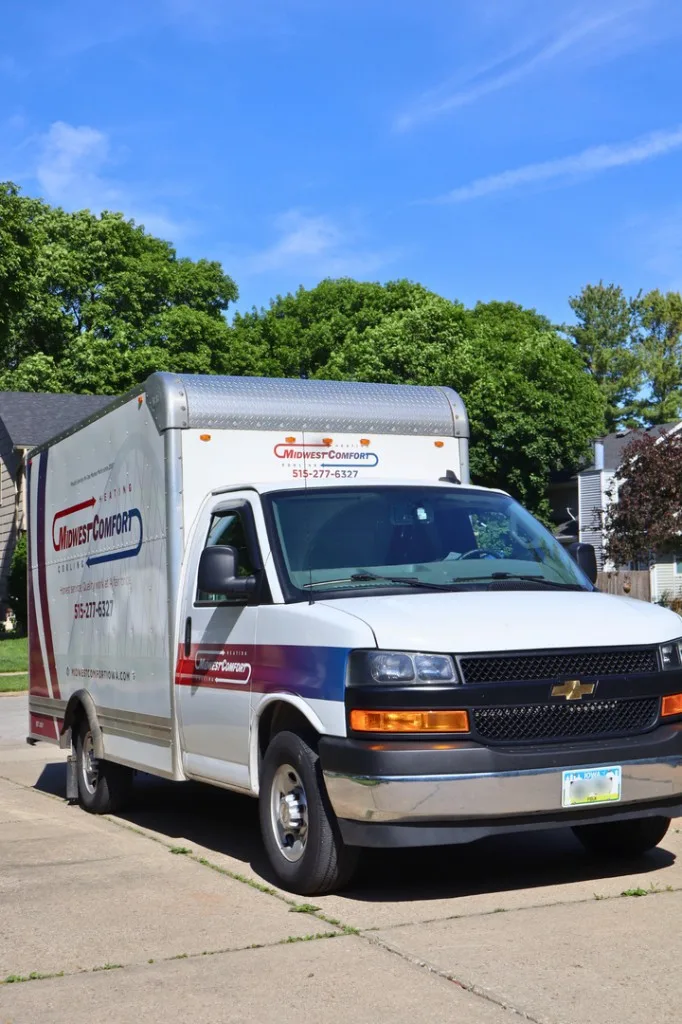
gas-line
Gas Line Repair & Service in Des Moines, IA
Suspect a gas leak? Our Des Moines, IA experts provide immediate gas line repair and service. Protect your home and family. Schedule now.
Gas Line Repair & Service in Des Moines, IA
Are you picking up that faint, unmistakable smell of rotten eggs near an appliance in your Des Moines home, or perhaps hearing an unusual hissing sound coming from your utility room? Have your gas bills suddenly spiked without a change in usage, or are your gas-powered appliances struggling to operate efficiently? Gas line issues are more than just an inconvenience; they pose serious safety risks, including carbon monoxide poisoning, fire, and even explosion, especially with the older infrastructure common in many Des Moines neighborhoods. When you suspect a gas line problem, immediate professional attention is non-negotiable, and Midwest Comfort Heating & Cooling is your trusted local expert, ready to diagnose and safely repair any gas line issue, restoring safety and peace of mind to your Des Moines home.
Signs Your Des Moines Property Needs Gas Line Repair
When it comes to gas lines, being aware of the warning signs is crucial for your safety and the integrity of your property here in Des Moines. These indicators often point to a leak or damage that requires immediate professional assessment. Don't delay if you notice any of these symptoms.
The Distinct Smell of Rotten Eggs
You detect a strong, sulfur-like odor, often described as rotten eggs, anywhere in or around your Des Moines property. This smell might be faint initially and become stronger over time or in specific areas, signaling a serious issue. Natural gas is odorless, so utility companies add a chemical called mercaptan to give it this distinct, easily recognizable smell. Detecting this odor is the most direct indicator of a gas leak and demands immediate action. This is a critical safety warning because a gas leak can lead to carbon monoxide buildup, posing a serious health risk, or, if a sufficient concentration of gas accumulates, it can cause a fire or explosion.
Hissing or Whistling Sounds Near Gas Lines
You hear an unusual sound, like a soft hiss or whistle, emanating from near a gas appliance such as your furnace, water heater, or stove, or where gas lines are visible. This sound indicates gas escaping under pressure from a crack, loose fitting, or damaged section of the gas line. The volume of the sound often correlates with the size of the leak. A persistent hissing sound means gas is actively leaking into your property or the surrounding environment, creating an immediate safety hazard and increasing the risk of ignition and potential harm.
Unexplained High Gas Bills
Your monthly gas utility bill is significantly higher than usual, even though your usage habits haven't changed, or your furnace and other gas appliances seem to be running normally. An undetected gas leak, even a small one, allows gas to escape continuously, leading to wasted fuel that is still metered, resulting in an inflated bill. Beyond the financial drain, a slow, continuous leak poses a cumulative safety risk and could indicate a worsening problem with your gas line that might escalate to a more dangerous situation if left unaddressed.
Dying or Discolored Vegetation Over Underground Gas Lines
You observe patches of dead or discolored grass, plants, or shrubs in your yard, particularly along the path where you know or suspect an underground gas line runs. This can be especially noticeable after a Des Moines winter when the ground thaws. Escaping natural gas displaces oxygen in the soil, depriving plant roots of the oxygen they need to survive, which causes the vegetation directly above the leak to wither and die. This is a strong indicator of an underground gas line leak, which can be dangerous if the gas migrates into your home's foundation or accumulates in confined spaces, requiring immediate attention to prevent potential hazards.
Malfunctioning Gas Appliances
Your gas furnace struggles to ignite, your gas water heater isn't producing hot water consistently, or your gas stove burners have a weak, inconsistent flame, or won't light at all. A gas leak or obstruction in the gas line can reduce the pressure or volume of gas reaching your appliances, preventing them from operating correctly or safely. Appliances operating with insufficient gas supply can be inefficient, unreliable, and potentially unsafe, leading to incomplete combustion or other hazardous conditions. It could also be a symptom of a larger, more dangerous gas line issue that needs professional assessment.
What's Causing Your Gas Line Problems in Des Moines?
Gas line issues rarely appear without a reason. Understanding the common culprits behind these problems can help you recognize potential risks and appreciate the need for professional intervention. In Des Moines, several factors contribute to gas line wear and tear, often specific to our local environment and housing stock.
Aging Infrastructure and Material Fatigue
Over decades of use, gas lines, especially those made of older materials like black iron pipe, can simply wear out. This includes corrosion, weakening of pipe walls, and deterioration of seals and fittings. Many homes in established Des Moines neighborhoods were built in the mid-20th century, meaning their original gas lines have been in service for 50-80 years. These older systems are inherently more susceptible to material fatigue than newer installations. Depending on the extent of the fatigue, the solution can range from replacing a faulty fitting to section replacement or, in severe cases, a full gas line repipe.
Ground Movement from Freeze-Thaw Cycles
The repeated freezing and thawing of the soil, especially during Des Moines' severe winters and spring thaws, causes the ground to expand and contract. This constant movement puts immense stress on buried gas lines, leading to shifts, bends, or cracks in the piping and connections. Des Moines experiences significant seasonal temperature swings, with deep ground freezes common, and this environmental factor is a primary cause of underground gas line damage in the region. Repairing these leaks often requires careful excavation to access the damaged section, followed by repair or replacement of the affected pipe and ensuring proper bedding and backfill to minimize future stress.
Corrosion and Rust
Metal gas lines, particularly those exposed to moisture, soil, or certain chemicals, can corrode and rust over time. This weakens the pipe material, leading to pinhole leaks or structural failure. High humidity during Des Moines summers and consistently damp soil conditions can accelerate external corrosion on both exposed and buried metal gas lines, especially if they lack proper protective coatings. Treatment often involves cleaning the corroded area, applying protective coatings, or replacing the corroded section of pipe with new, more resistant materials or properly coated lines.
Accidental Damage from Digging or Construction
Whether it's a homeowner planting a tree, a utility crew working on sewer lines, or a contractor installing a new fence, accidental digging without prior knowledge of buried utilities is a common cause of gas line ruptures. With ongoing development and home improvement projects across Des Moines, from major infrastructure upgrades to backyard landscaping, the risk of inadvertently striking a buried gas line is ever-present. Repairing accidental damage typically involves isolating the affected section, safely repairing or replacing the damaged pipe, and thorough testing to ensure integrity. Always remember to call 811 before you dig.
What to Expect During Your Gas Line Service Visit
When you contact Midwest Comfort Heating & Cooling for gas line repair or service in Des Moines, you can expect a professional, thorough, and safety-focused experience from start to finish. Our certified technicians will arrive promptly at your Des Moines property, equipped with the necessary tools and expertise, ready to address your concerns.
First, our technician will conduct a comprehensive safety inspection, using specialized equipment to pinpoint the exact location and severity of the gas leak or issue. We'll carefully examine all accessible gas lines, connections, and appliances to ensure nothing is overlooked. Once the problem is identified, we'll clearly explain our findings, outline the necessary repairs, and provide you with transparent, flat-rate pricing upfront. You will know the cost before any work begins, with no hidden fees or hourly rate escalations.
With your approval, our team will proceed with the repair, adhering to all local codes and safety standards. This might involve replacing faulty sections of pipe, tightening connections, or sealing leaks with precision. After the repair is complete, we'll perform rigorous testing to ensure the integrity of your gas lines and the safe operation of your gas appliances, like your furnace or gas water heater. We'll also take the time to answer any questions you have and ensure your property is left clean and safe.
Related Services to Consider
Gas line issues can sometimes point to broader needs within your Des Moines home's comfort system. If a gas line repair indicates an outdated or damaged system, you might also consider our Gas Line Installation & Replacement services for a more permanent solution. Furthermore, given that many homes rely on gas for essential functions, if your gas supply issue is affecting your hot water, our experts are also proficient in Water Heater Repair & Service to ensure your entire system is running safely and efficiently.
Why Addressing Gas Line Issues Promptly Matters
Delaying gas line repair in your Des Moines home carries significant risks that far outweigh the temporary inconvenience or cost of addressing the problem. The most critical concern is safety: even a small, undetected leak can lead to a dangerous accumulation of natural gas, increasing the risk of fire, explosion, or potentially fatal carbon monoxide poisoning. Appliances operating with insufficient gas pressure due to a leak can also pose hazards, such as incomplete combustion.
Beyond immediate safety, ignoring a gas leak leads to wasted fuel and higher utility bills, essentially throwing money away each month. A minor issue can quickly escalate, causing further damage to your gas lines or connected appliances, potentially turning a simple repair into a much more extensive and costly replacement project. Protecting your family, your property, and your wallet means addressing gas line problems with urgency and professional expertise.
Restore Safety and Comfort to Your Des Moines Home
Don't let gas line concerns compromise the safety and comfort of your Des Moines property. If you suspect a gas leak or are experiencing any of the warning signs discussed, it's crucial to act immediately. Contact Midwest Comfort Heating & Cooling today for prompt, professional, and reliable gas line repair and service in Des Moines. Our experienced technicians are ready to ensure your gas lines are secure and your home is safe.

Ready for comfort done right?
Call now or request service online — upfront flat-rate pricing, quality Amana equipment, and our Guaranteed Satisfaction promise.